



 TEL:13615481234


Inspection of common components of gantry crane!
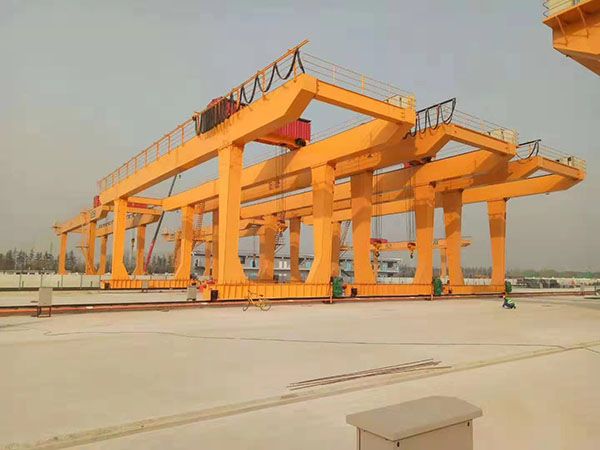
The gantry crane is an important equipment for lifting. Next, the Shandong gantry crane manufacturer will explain the inspection points of gantry cranes to everyone. You must read it carefully!
1. Pulley
Is the pulley equipped with an anti slip groove device; Whether there are cracks, broken edges, excessive wear and tear on the pulley groove and rim, and whether the pulley of the gantry crane rotates flexibly.
2. Steel wire rope
Check whether the specifications and models of the steel wire rope match the pulley drum according to the design requirements. Whether the steel wire rope fixing devices such as pressure plates, rope clamps, and wedges at the fixed end of the steel wire rope meet the requirements. Whether the wear, breakage, twisting, flattening, bending, strand breakage, corrosion, etc. of the steel wire rope exceed the standard.
3. Braking device
The setting of the gantry crane brake, whether the type of brake meets the design requirements, and whether the brake rod and spring have defects such as fatigue deformation and cracks; Whether the wear of the pin shaft, spindle, brake wheel, and brake friction plate exceeds the standard, and whether the hydraulic brake leaks oil; Whether the brake clearance adjustment and braking capacity meet the requirements.
4. Roll drum
Whether there are fatigue cracks, damages, etc. on the drum body and edge; Whether the wear of the rope groove and cylinder wall exceeds the standard; Can the height of the drum rim match the number of winding layers of the steel wire rope; Whether the working conditions of the rope guide and rope guide meet the requirements.
5. Wheels
Whether there are fatigue cracks on the tread and axle of the gantry crane wheel, and whether the wear of the wheel tread and axle exceeds the standard. Is there any rail gnawing phenomenon during operation. What is the cause of rail gnawing.
6. Hook hook
Check whether the markings and anti detachment devices of the gantry crane hook meet the requirements, and whether the hook has defects such as cracks or peeling; Whether the wear and tear of the hook section, the increase in opening degree, and the twisting deformation exceed the standard; Check for fatigue deformation, cracks, and related pin and sleeve wear on the neck and surface of the hook.
| Previous:How to maintain the chain of a single beam crane | Next:What are the maintenance methods for bridge cranes |



 Home
Home
 Tel
Tel
 Product